
Orthopaedic Surgeon Flags Shoulder and Elbow Strain Risks for HYROX Athletes

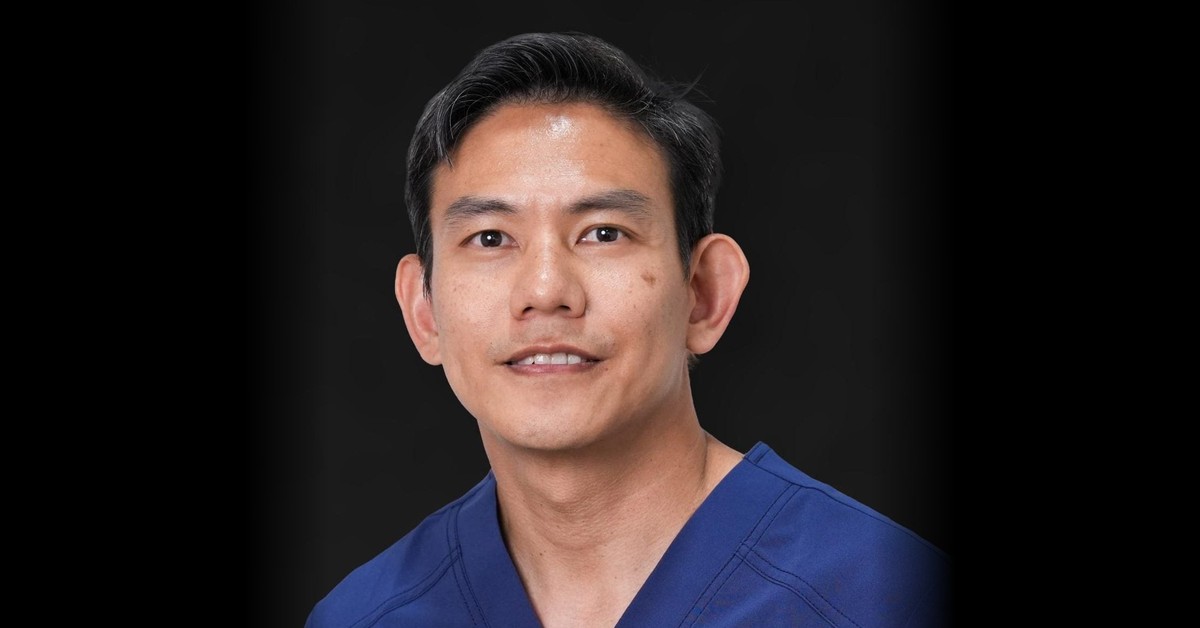
Beginners who see HYROX as just a running race may leave their upper body underprepared, which can lead to injuries, senior consultant orthopaedic surgeon Dr Lester Tan Teong Jin said.
Dr Tan, of Oxford Orthopaedics, gave his advice in a Q&A shared with ToughASIA ahead of HYROX Singapore, which runs from 26 to 29 November 2026.
“Many people see HYROX as a running race, but it pushes the entire body to its limit, shoulders and elbows included,” he said.
He said Wall Balls and the SkiErg are quite upper-body heavy. With 100 overhead throws, Wall Balls put a lot of strain on the shoulders and can be especially difficult for anyone with a labral tear or a history of shoulder instability, he said, while the SkiErg’s repetitive pulling can place considerable strain on the arms if the technique is not right.
Dr Tan said even those stations draw on the legs and core. Wall Balls need the legs and core to power the throw, and the Sled Pull should be driven by the legs and hips with the back braced, rather than pulling with the arms alone.
“HYROX is also a test of endurance, so pace yourself to last rather than going too hard in the first two stations and struggling towards the end. As fatigue sets in, technique tends to slip, and the shoulders and arms end up taking on more of the work,” he said.
Injuries can come from a fall or sudden trauma, or from repetitive strain, he said. Strain injuries tend to build gradually, which makes them easy to overlook, and they can turn into long-term problems if not treated appropriately.
Dr Tan said the shoulders and elbows are hard to rest properly because the arms are used in almost everything. Minor strains can take a few days to two weeks to settle, while more serious muscle strains can take 6 to 12 weeks to recover fully.
Major injuries to the rotator cuff or labrum might lead to joint problems later in life, he said. At the elbow, tendinitis can progress to a tear if it is not adequately rested before returning to full training, and pushing through the pain adds to that risk.
To tell delayed-onset muscle soreness (DOMS) from a genuine injury, he said DOMS usually peaks a day or two after training and then fades, while a genuine injury tends to last longer. If pain persists after a few days of rest with little or no improvement, athletes should consider getting it checked.
He said persistent pain and an inability to use the arm are worrying signs, painful clicking needs investigating, and weakness or numbness should be looked at, as they might indicate nerve irritation or injury.
For prevention, Dr Tan advised athletes to know the stations and how to maximise efficiency at each one, train for what each station demands, consider getting a coach and not neglect cardiovascular fitness.
“By race day, you should already have completed a full HYROX in training,” he said.
After the race, he said athletes should give their shoulders and elbows time to rest before returning to full training. Treatment for an injury depends on the patient and its severity, and torn tendons and ligaments might need physiotherapy or, in some cases, surgery.
If race day is still some time away, he said, athletes who suspect an injury should get a specialist review and clearance to take part.
“It’s never easy to pull out of a race after all the training and preparation, perhaps even more so in a team event. Listen to your body and adjust accordingly, bearing in mind that missing one race is better than a serious injury,” he said.


